This is an example of a FEATURED profile using a fictional school. All items are editable.



Updated on 2026-03-23 10:00:00
Featured
Verified
Blue Ridge University has verified the accuracy of this profile.
School of Music • Asheville, North Carolina

Quick Take
Blue Ridge University's music school at a fictional school in Asheville, North Carolina, offers undergraduate degrees in classical performance, jazz studies, commercial music, songwriting, and music production within a creative, entrepreneurially oriented university community in one of the most musically vibrant small cities in the American South. The school offers Bachelor of Music degrees in performance, commercial music, and songwriting, alongside a Bachelor of Arts option for students integrating music into a broader liberal arts framework. The performance track provides one-on-one applied instruction in classical and jazz idioms, ensemble participation in orchestra, jazz ensemble, and chamber music, and a progression of public recitals that develop artistic identity and technical skill over the course of study. Commercial music and songwriting programs are built around the creative economy Asheville has become, combining production training, songwriting craft, and music business coursework with the performance foundation that working musicians need regardless of genre or context.
Blue Ridge at a Glance
| Program | |
| School / Division | Blue Ridge University School of Music |
| Setting | public |
| Religious Affiliation | none |
| Program Size | medium |
| Genres / Styles | choral, classical, folk, jazz, popular |
| Primary Instrument | bassoon, cello, clarinet, double bass, flute, guitar, horn, oboe, percussion, piano, saxophone, trombone, trumpet, tuba, viola, violin, voice |
| Areas of Study | composition, ethnomusicology, music theory, performance |
| Degrees Offered | Bachelor of Arts, Bachelor of Music, Master’s |
| Musical Selectivity | selective |
| NASM Accreditation | Yes |
| Admissions | |
| Academic Selectivity | selective |
| Average GPA | 3.4 |
| Application Deadline | Dec 1 (priority) | Feb 1 (regular) |
| Auditions | |
| Audition | is required |
| Audition Competitiveness | highly competitive |
| Audition Window | Jan–Mar |
| Prescreening | is not required |
| Location | |
| City / State | Asheville, North Carolina |
Always confirm deadlines and requirements directly with the Blue Ridge website
.
Program Overview
The music program at Blue Ridge is medium in size and a school within a university.
Music Genre/Style Strengths
Blue Ridge supports the following musical genres/styles: choral, classical, folk, jazz, popular. At some schools, students can explore multiple styles while developing strong technical and artistic foundations within their primary genre.
Visit the Blue Ridge website for more specific information on the music genres/styles it supports.
Primary Instruments
Students at Blue Ridge can pursue study across a range of instruments, including bassoon, cello, clarinet, double bass, flute, guitar, horn, oboe, percussion, piano, saxophone, trombone, trumpet, tuba, viola, violin, voice. Students study privately with faculty on their primary instrument while participating in ensembles and collaborative performances.
Visit the Blue Ridge website for more specific information about their support for studies on specific instruments.
Music Studies Offered at Blue Ridge
Students at Blue Ridge can pursue degrees focused on composition, ethnomusicology, music theory, performance. Music degree programs typically combine private instruction, ensemble participation, music theory coursework, and performance opportunities designed to prepare students for careers in music.
Visit the Blue Ridge website for more specific information on the programs of study it offers.
Blue Ridge is known for...
- active regional performance opportunities
- cross genre musician collaboration
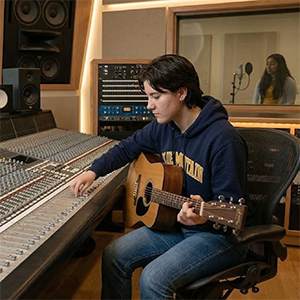
- hands on recording studio training
Blue Ridge is best for…
- small cohort performance training
- creative commercial music pathways
- collaborative jazz and production culture
Acceptance
Musical acceptance at Blue Ridge is selective. Academically, it is selective, with accepted students having an average GPA of 3.4. (Unlike academic programs, music admissions typically emphasize performance and artistic potential.) The application deadline for Blue Ridge is Dec 1 (priority) | Feb 1 (regular) of each year.
Visit the Blue Ridge website to confirm acceptance information and deadlines.
Auditions
An audition is required at Blue Ridge, and the school's auditions are considered to be highly competitive. A pre-screening video or portfolio is not required.
Visit the Blue Ridge website for more specific information on auditions.
Location and Music Scene
Blue Ridge is nestled in Asheville, a mountain city with a nationally celebrated music culture, where indie folk, bluegrass, experimental, and jazz scenes thrive alongside a booming arts economy.
Blue Ridge Spotlight
Faculty
Carl Spicer
Director of Commercial Music and Production. Helps students bridge musicianship, songwriting, recording, and industry readiness through hands on, project based learning.
"Our project-based learning model is specifically designed to give students the tools and experience they need to build real-world careers in the music business."

Student
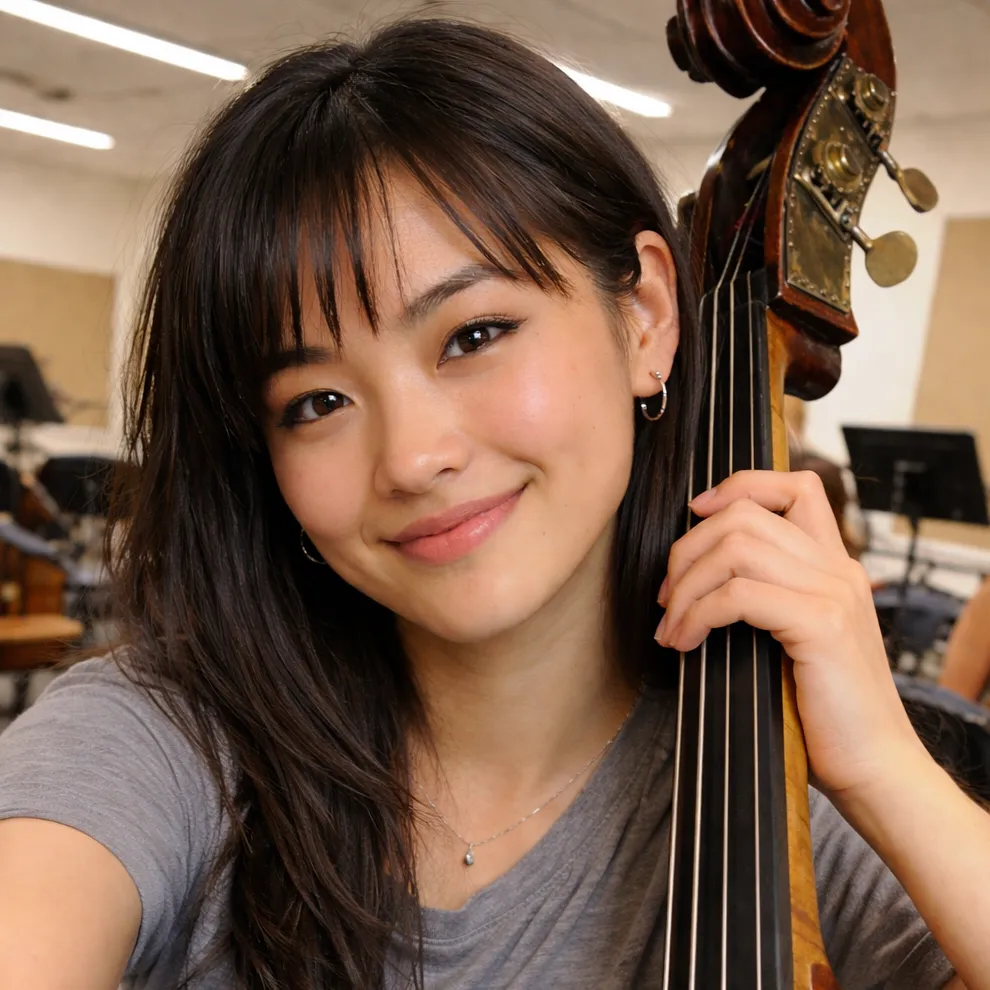
Maya Chen
Jazz bassist blending traditional improvisation with modern influences. Active in campus ensembles and regional performances while developing a distinctive voice rooted in both bebop and contemporary jazz.
"Blue Ridge pushes you to grow as a musician and collaborator. Every semester brings new opportunities to perform, record, and work with incredible players."
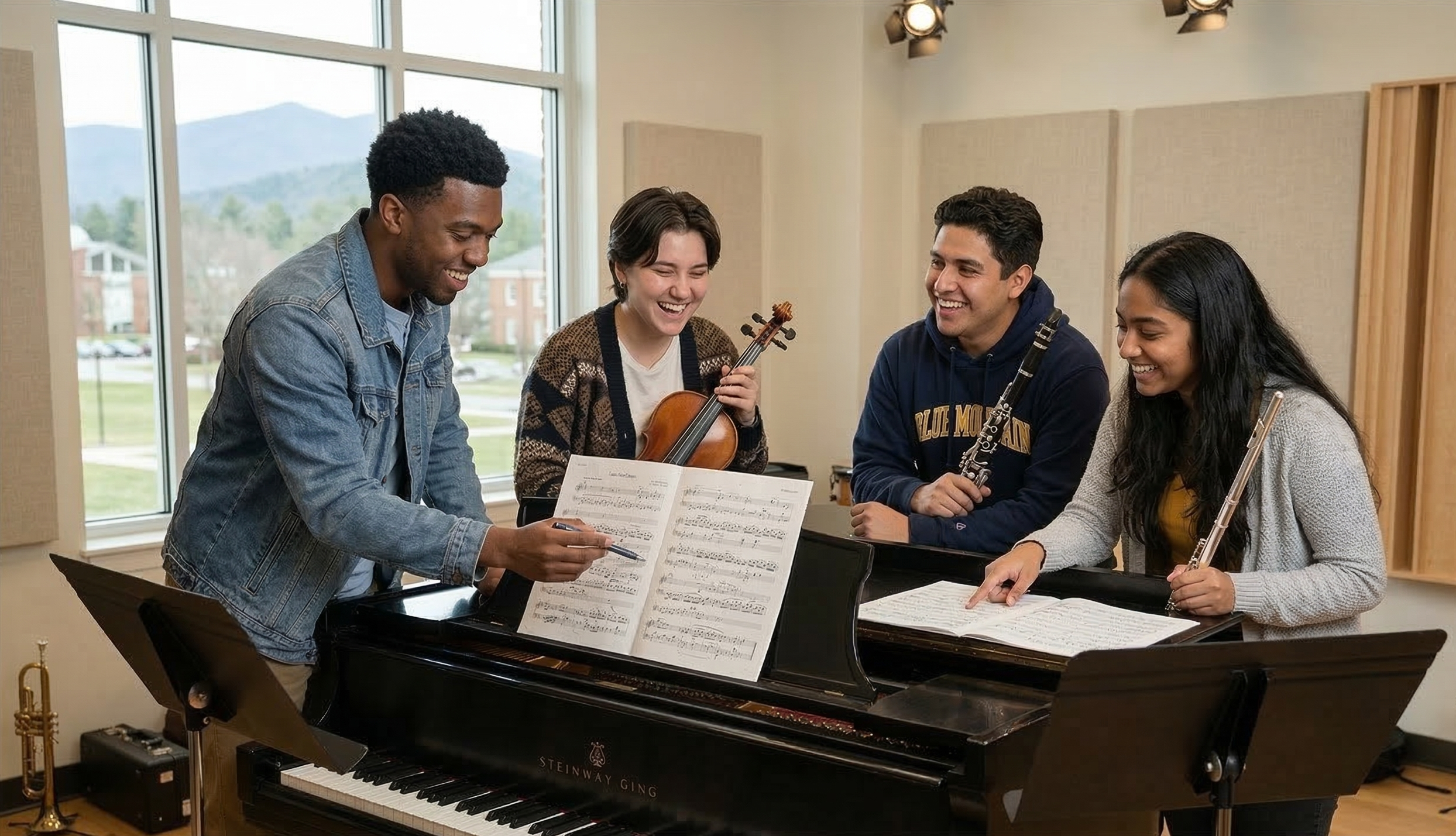
Faces and Spaces
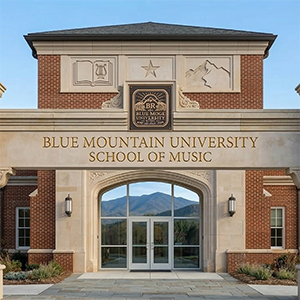
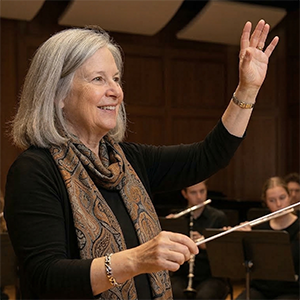
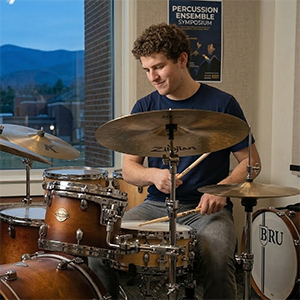
Blue Ridge Videos
Online Study, Summer Programs, and More
Online Study
Blue Ridge offers hybrid and fully online coursework in music theory, music history, and commercial music production.
Learn more →
Accepting Applications
Summer Music Institute
July 5–19, 2026
The Blue Ridge Summer Music Institute runs two-week intensives for high school students.
Apply by March 10, 2026
Learn more →Workshops & Masterclasses
The School of Music hosts visiting artists and industry professionals throughout the academic year for public masterclasses and intensive workshops.
Learn more →More Opportunities
Community ensemble participation is open to non-enrolled students. Dual enrollment is available for high school musicians through the university's early college program.
Learn more →Details for each offering — including dates, costs, and application requirements — are managed by the school and may vary by year. Confirm specifics directly with the school's admissions or continuing education office.
Links and Contact
Program website
Admissions website
Contact
Frequently Asked Questions
Is Blue Ridge hard to get into?
Admission to Blue Ridge is considered selective for music and selective academically. At most schools, the audition carries significant weight. Admitted students need to demonstrate performance ability and artistic potential in addition to meeting academic requirements.
Do I need a prescreening video to audition at Blue Ridge?
A prescreening video or portfolio submission is not required at Blue Ridge.
Prescreening requirements vary significantly from school to school, and sometimes by instrument or area of study, so it's worth checking directly with the admissions office to confirm what's expected for your specific application.
What instruments can I study at Blue Ridge?
Blue Ridge supports study across a wide range of instruments, including bassoon, cello, clarinet, double bass, flute, guitar, horn, oboe, percussion, piano, saxophone, trombone, trumpet, tuba, viola, violin, voice. Students typically study privately with a faculty member on their primary instrument while also participating in ensembles and collaborative performance opportunities.
Instrument availability and faculty depth can vary. If you play something less common, it's worth reaching out to the department directly to confirm faculty availability before you apply.
What GPA do I need for Blue Ridge?
Admitted students at Blue Ridge have an average GPA of 3.4. Keep in mind that this is an average. Some admitted students come in above it, some below, depending on the strength of the overall application and, especially, the audition.
Music programs tend to weigh audition performance heavily, which means a particularly strong musical candidate may be admitted even if their GPA is below the typical range. The reverse is also true. Academic strength alone won't compensate for a weak audition.
What is the application deadline for Blue Ridge?
The application deadline for Blue Ridge is Dec 1 (priority) | Feb 1 (regular), with live auditions typically held Jan–Mar. These dates can shift year to year, so it's important to verify directly with the admissions office well in advance.
Music school deadlines often arrive earlier than general college application deadlines, and audition slots can fill up quickly, especially at competitive programs. Getting your application in early is rarely a bad idea.
Information on this page is updated periodically. Always confirm details directly with the school's admissions office.

Want a profile like this for your program?
Students building their audition lists right now may not be finding your program. This page shows what serious applicants see when your program is featured.
Ready to claim your page?
Go to the main Music School Finder and enter your school's name in the search field. Then, click on Claim This School at the top of your school's page
Let's Get Started!